

Laboratory Analysis & Materials Evaluation
DPA's laboratory facility is an essential component in the testing of coatings, insulation technology, waterproofing systems, corrosion assessment, concrete diagnostics, forensic engineering, investigations and failure analysis. The laboratory serves as a support function to DPA's specialist divisions as well as an independent division for analytical test work and materials evaluation. DPA's staff regularly spends time with material suppliers, both locally and internationally, to study existing and new products, chemical formulations and advanced technological testing.
Laboratory testing includes the analysis of concrete, analysis of failure, materials evaluation and the development and evaluation of new technology and or products.
Laboratory Testing - Concrete
Core sample analysis
Core samples are analysed to determine the concrete matrix morphology and chemistry using scanning electron microscopy and energy dispersive X ray spectroscopy. This analysis provides an indication of the distribution of the aggregate in the concrete matrix and the presence of reactive siliceous aggregates and other contaminants.
Wet Chemical analysis
Wet Chemical analysis of concrete samples includes the determination of the aggregate to cement ratio (using either atomic absorption spectroscopy or inductively coupled plasma spectroscopy) and the determination of the type of cement used e.g. blast furnace slag or ordinary Portland cement. Analysis of core samples includes testing for the presence and level of contaminants within the concrete e.g. chlorides, sulphates, sulphites, nitrates etc.
Carbonation Testing
Carbonation Testing is carried out to determine the reduction in alkalinity of concrete samples with a prescribed indicator solution.
Forensic Engineering
Laboratory tests are performed to assist in determining the cause of failure i.e. product failure, substrate failure, poor workmanship / preparation etc.
Materials evaluation - Coatings, Insulation Materials, Waterproofing Membranes and Specialist Repair Materials.
Typical application related tests performed include holiday testing, Weber Reilly, dry & wet film thickness and cross hatch adhesion tests to determine the suitability of the coating for each individual substrate (concrete, ferrous or non ferrous metal etc). Substrates are evaluated for surface suitability, type of corrosion, and contamination.
Coatings and specialized coating systems are extensively evaluated and the compatibility of components and the suitability of the system for each specific application are determined. Typical properties evaluated include adhesion, scrubability, sheen / gloss, hiding power, drying time, rheology, flexibility, tensile strength, permeability and QUV accelerated weathering tests in accordance with standard test methods. Adhesion testing of coating to substrate.
Laboratory services include:
- the comparison of products from a wide range of suppliers within a generic family in order to recommend a system which offers superior performance,
- an evaluation of the system for compliance with performance specifications,
- the formulation of new specifications to comply with client / project requirements and the development and evaluation of new technology for specialized applications.

Durability Index Testing
Oxygen Permeability, Sorptivity and Chloride Conductivity Index tests to new or old concrete structures. DPA has the equipment and expertise in-house to handle a large range of investigations and testing, including but not limited to:
Coatings / Linings
Coatings are inspected in the field or analysed in the laboratory using various technologies to determine the suitability of the specification, quality of application or mode of failure, including:
- Classification of defects.
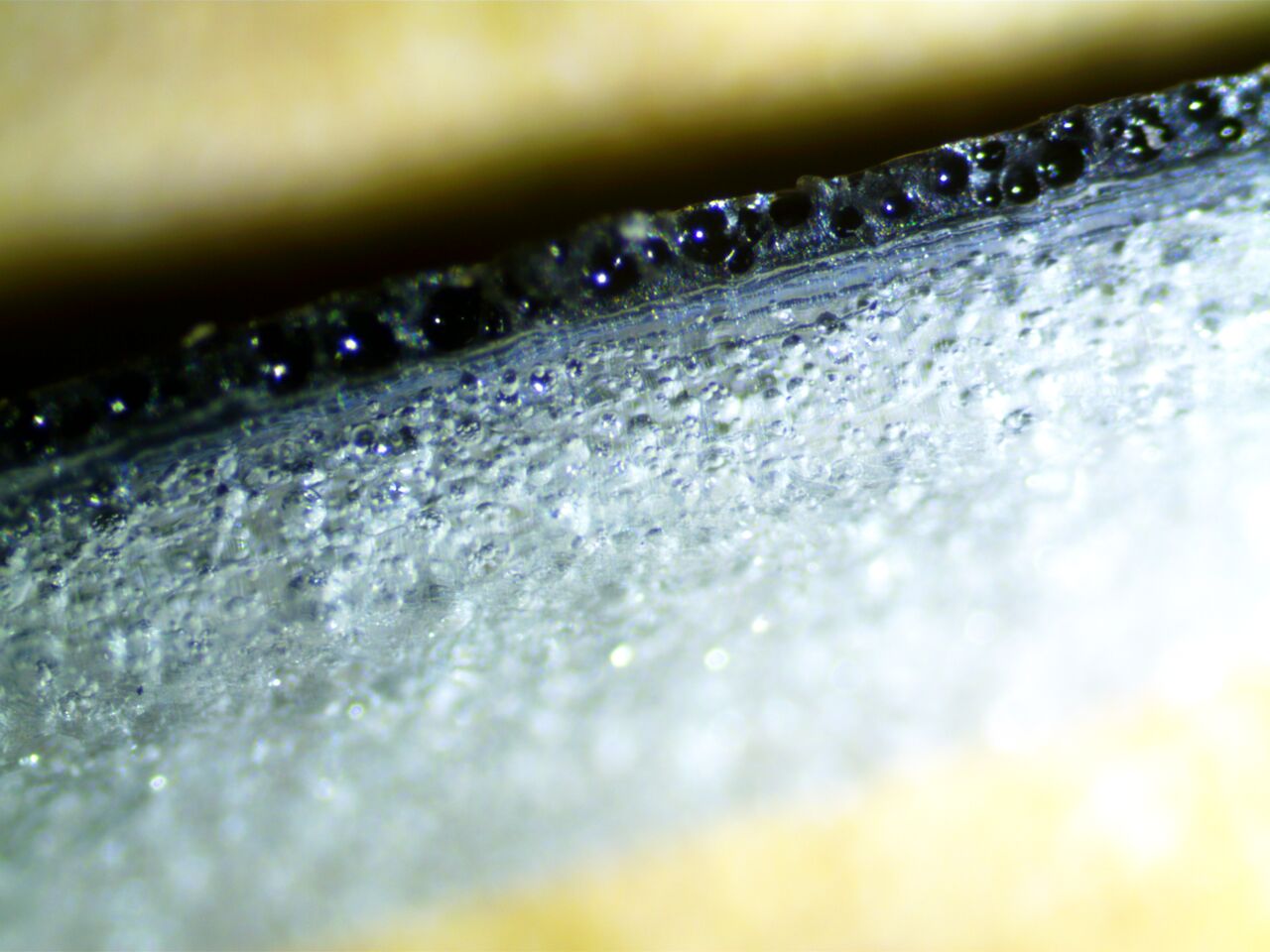
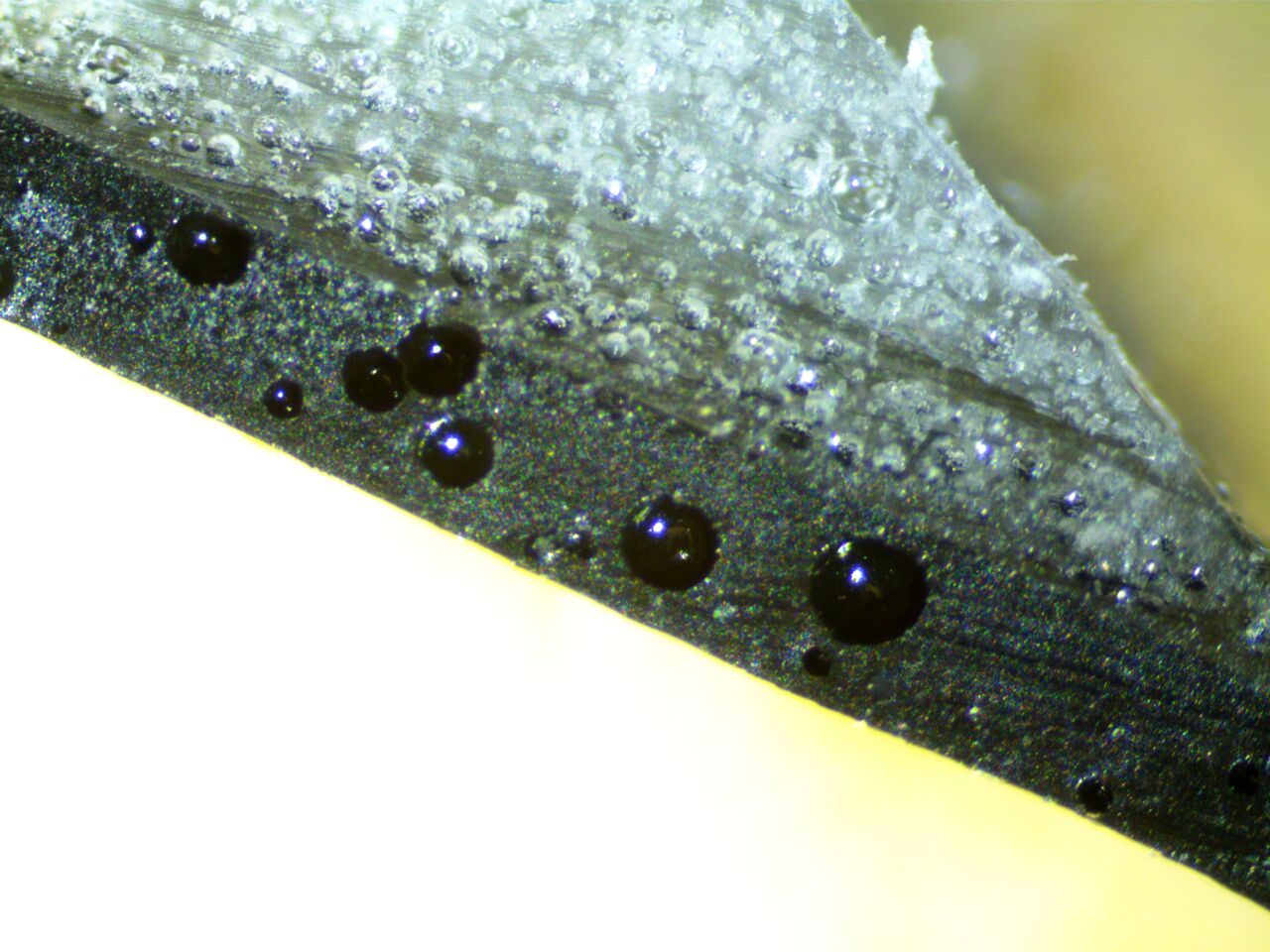
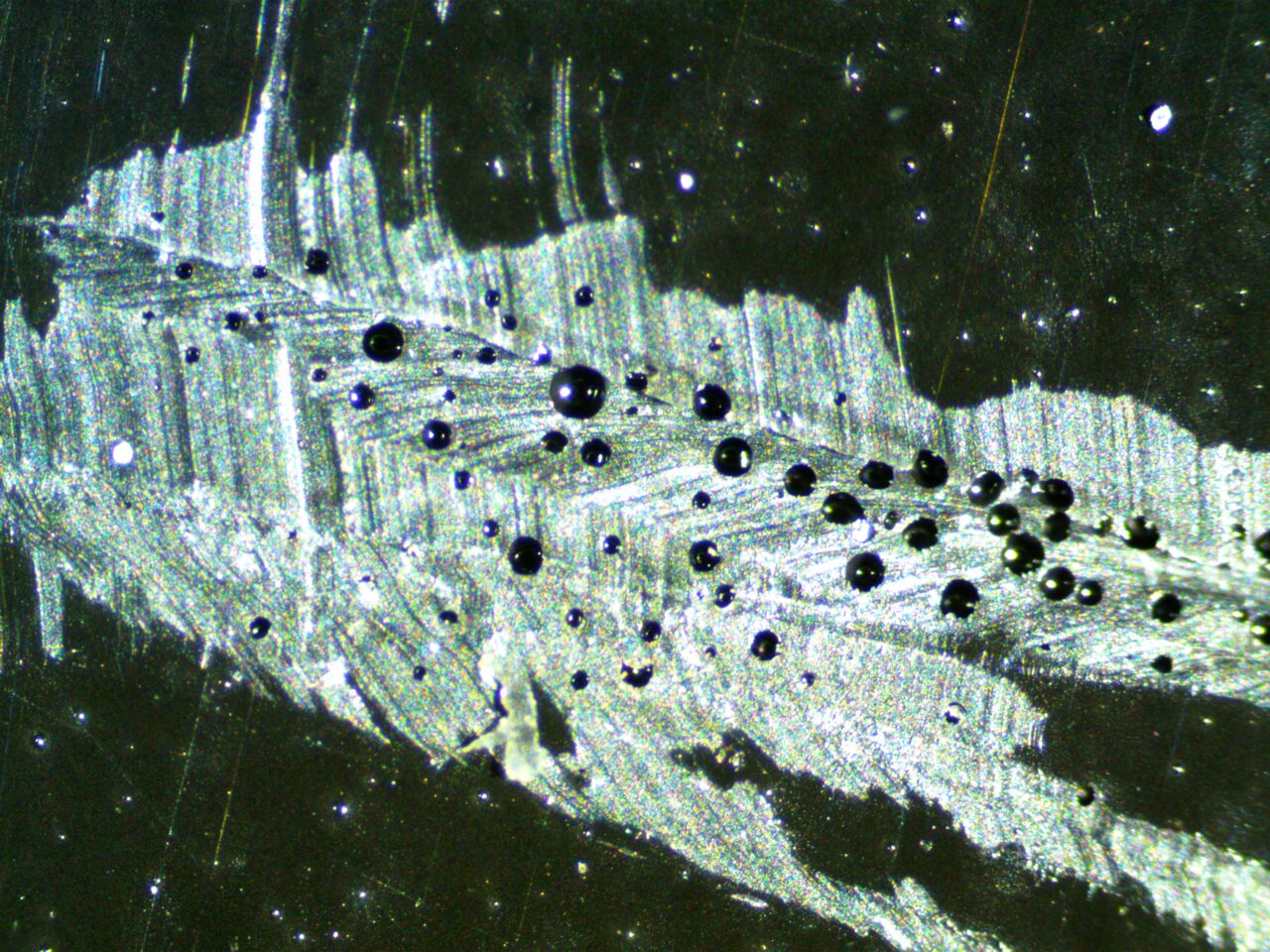
- Microscopic analysis of coatings failures to determine the root cause of failure.
- Adhesion / cohesion testing according to ASTM 4541 (at various temperatures).
- Cross hatch adhesion testing
- Cathodic disbondment testing according to NACE RP0394 or ISO 21809 (individual samples or multiple batches of samples in parallel). These tests can be conducted at a range of temperatures, salinities and voltages, and the variables and results logged electronically for quality purposes.
- Impact resistance (ASTM G14).
- Interface porosity (NACE RP0394).
- Cross section porosity (NACE RP0394).
- Soluble salt substrate contamination by the Weber Reilly method and others.
- Coating dry film thickness testing on both ferrous and non-ferrous substrates utilising a range of technologies including physical testing, electromagnetic or ultrasonic.
- Coating wet film thicknessSurface profile testing
- Holiday detection (spark and wet sponge testing)
- Coating properties such as scrub ability, sheen / gloss, hiding power, drying time, rheology, flexibility, tensile strength and permeability.
Concrete, Plaster and Brickwork
- Durability index testing to new or old concrete structures, including:
- Oxygen Permeability
- Sorptivity
- Chloride Conductivity Index tests
- Adhesion / cohesion tests
- Extraction of concrete cores for:
- Petrographic analysis
- Chloride, sulphate and nitrate analysis (BS 1881)
- Carbonation testing
- Cover meter surveys (to establish thickness of concrete over reinforcing steel).
Where a technology is not available in-house we will either acquire such or outsource such aspect of the test work within our network of contacts. The techniques used include:
Depending on the work/project envisaged, the team at DPA will not hesitate to research and use other types of techniques not mentioned above in order to obtain the best results / answers in their forensic investigation work.
In certain circumstances where no suitable technology was available we have developed unique methodologies and equipment to deal with peculiar investigation work.

Plate S6.9: blowhole in coating (S6, Piece A2, 35x Magnification).


Plate S1.7: Cross section through ringed defects (S1, Piece A1, 35x Magnification). From top to Bottom:
Defect 1 (Pinhole) | Defect 2 (Pinhole) | Defect 3 (Cracked blister)

Plate 21: Slice through coating system showing coating layers. Green top coat. Under coat as white band in centre. Substrate as black band at centre (70x Magnification).
 Carbonation depth testing of fragments from a concrete core.
 Thermostatically controlled saline water bath with partially submerged accelerated corrosion test coupons
 Microscopic analysis of a coating sample in cross section.
 Adhesion Test according to ASTM 4541 (Method A2)
 Titration of a concrete sample for Chloride determination
 Concrete durability testing equipment